Asthma: How to Recognize Symptoms and Manage the Condition
Although asthma is a chronic inflammation of the airways, it does not have to mean a life of limitations. This condition is characterized by variable and reversible obstruction (narrowing) of the airways, along with pronounced bronchial hyperreactivity. By understanding what happens in the body and actively participating in treatment, every patient can achieve a high level of control and prevent uncomfortable attacks.
What Actually Happens in Your Airways During Asthma?
Your airways function like a branching tree that leads air deep into the lungs. When the condition is under control, these "branches" are clear, and air circulates freely. However, when uncontrolled, the airway walls become thickened and narrowed, with increased mucus production. It is this combination of factors that leads to a sudden worsening of the condition. Interestingly, asthma can develop at any age, and its development is influenced by a specific mix of genetics, environment, and individual physical reactions.
Main Asthma Symptoms You Should Not Ignore
Asthma symptoms are rarely constant; they come and go, often depending on the environment or the time of day. To recognize a flare-up in time, pay attention to these signs:
- Persistent coughing that often intensifies during the night or early morning.
- Wheezing (a whistling sound in the chest) during exhalation.
- A feeling of tightness in the chest and an inability to take a deep breath.
- Shortness of breath (dyspnea) during exertion or at rest.
Although attacks in children are most often mild, it is important to remain cautious, as any unrecognized symptom can lead to a more severe state requiring hospital treatment.
How to Keep Asthma Under Control: Therapy and Prevention
Regular medical check-ups, at least once a year, are the foundation of safety, but true control is maintained daily through proper habits:
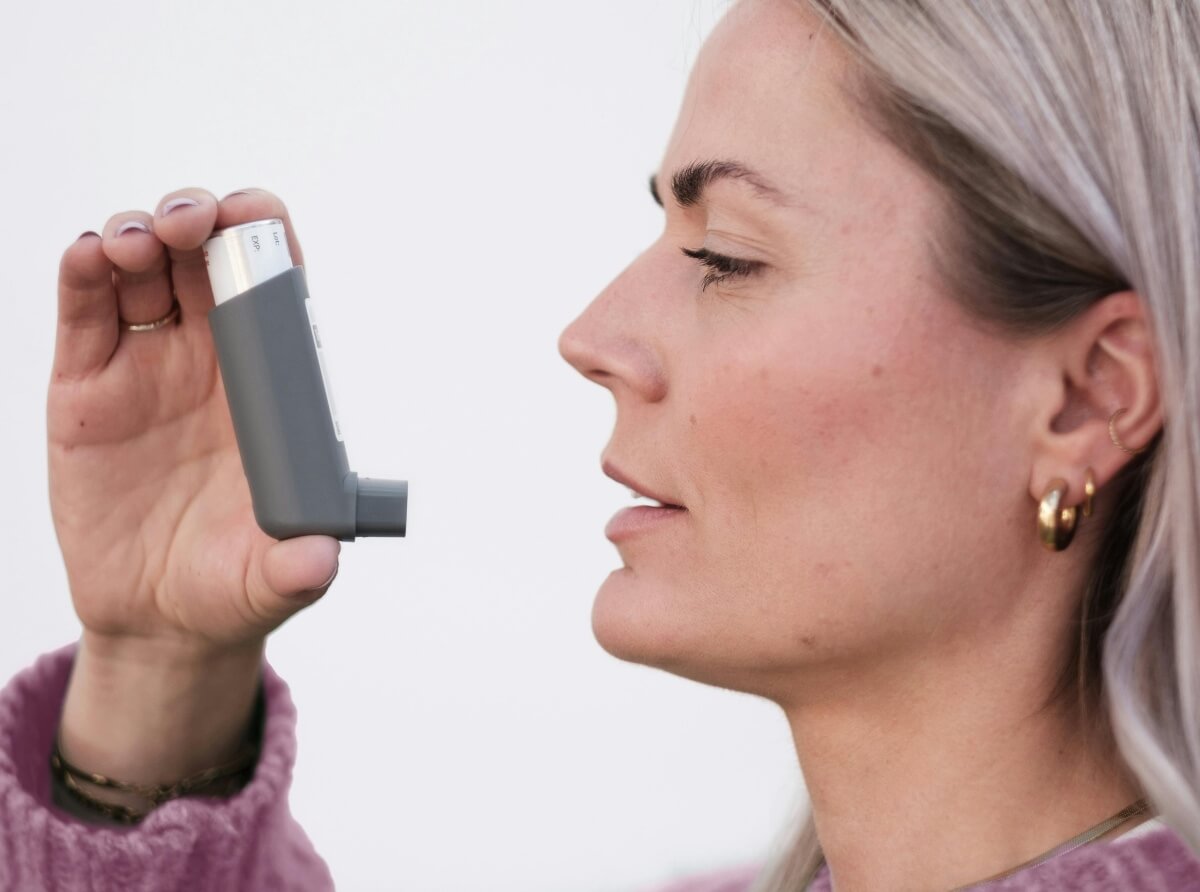
- Proper Inhalation Therapy: Medication is delivered directly into the airways. Using a pump with a spacer (valved holding chamber) is recommended to ensure the medicine reaches deep into the lungs rather than staying in the mouth.
- Peak Flow Measurement (PEF): Regular home monitoring provides an objective insight into lung function before symptoms worsen.
- Avoiding Triggers: Identify your triggers—most commonly viral infections, tobacco smoke, pollen, dust, or mold.
Despite these challenges, asthma is not an obstacle to sports. In fact, regular physical activity is recommended for everyone whose condition is under control.
When is the Condition Alarming and Requires Emergency Medical Care?
Education on early danger recognition saves lives. If you notice that a quick-relief (rescue) inhaler no longer provides relief or that the condition is worsening despite repeated therapy, seek emergency help. A critical situation is recognized by the patient breathing rapidly and with difficulty, speech becoming interrupted (only able to say a few words at a time), and a bluish tint appearing on the lips or nails. At such moments, the pulse is significantly accelerated, and movement becomes almost impossible.
How to Live a High-Quality and Active Life with an Asthma Diagnosis
Asthma is a condition that requires discipline, but it must not dictate the boundaries of your life. The key to long-term success lies in partnering with your doctor and being consistent in applying therapy. With proper inhalation techniques and listening to your body, most patients can lead a fully fulfilling life. The goal of treatment is not just to suppress attacks, but to enable the patient to greet every new day with full lungs, without fear of the next breath.
About the author
Ivana Vučemilović
pediatrician, subspecialist in pulmonology, MD
She graduated from the University of Zagreb School of Medicine in 2001. She completed her internship at Osijek University Hospital Centre. She completed her specialization in pediatrics at Osijek University Hospital Centre and Zagreb University Hospital Centre. She completed the postgraduate professional program “Clinical Pediatrics” as part of her specialization at the University of Zagreb School of Medicine. She passed the specialist examination in 2009.
She completed her subspecialization in pediatric pulmonology in 2013 at the Reference Centre for Pediatric Pulmonology, University Hospital Centre Rijeka, and during her subspecialist training she spent time at Osijek University Hospital Centre, Zagreb University Hospital Centre, and the Children’s Hospital Zagreb.