Commonly ignored allergy symptoms and how to manage them

Introduction to Allergies
Allergies represent an exaggerated reaction of our immune system to substances that are harmless to most people, known as allergens. We come into contact with them through our skin and mucous membranes: the nose, mouth, digestive system, and eyes. The most common allergens include pollen, dust mites, pet hair and feathers, food, medications, various molds, and insect stings. When the body mistakenly identifies them as a threat, it triggers an inflammatory response, resulting in symptoms that significantly impair the quality of everyday life.
What Are Allergens and How Do They Work
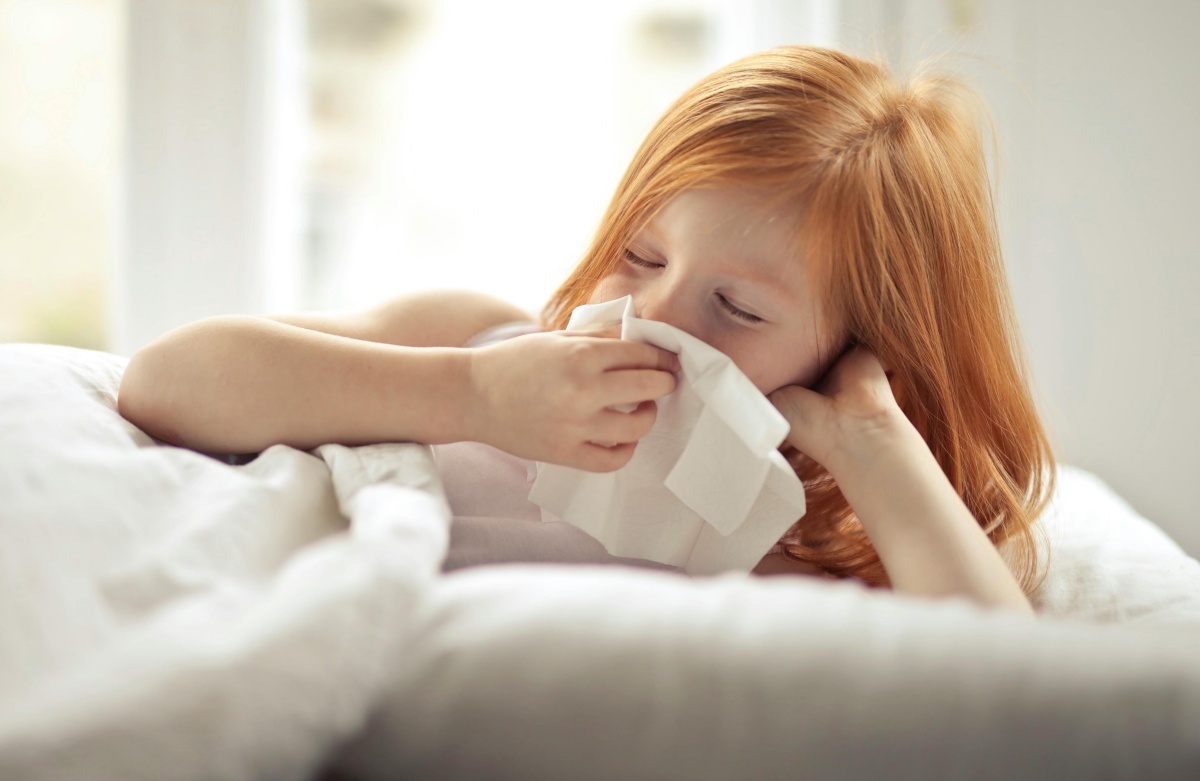
Allergy symptoms are largely individual, but they are often confused with colds during viral seasons. However, there is a clear distinction: allergic symptoms last longer, appear seasonally or upon contact with an allergen, and are not accompanied by the fever, exhaustion, or body aches typical of colds and viruses. Symptoms such as a tickle in the throat, an irritating cough, sneezing, a stuffy or runny nose with clear mucus, watery and/or itchy eyes, and even breathing difficulties are typical of mild or severe allergies.
In mild food allergies, symptoms may include digestive issues and skin rashes, while severe allergies can cause swelling of the lips and/or tongue, as well as rapid and difficult breathing. This is known as anaphylactic shock and requires immediate intervention by an emergency medical team.
Allergies in Adults and Children
Interestingly, allergies do not only appear in childhood. We often see adult patients developing symptoms in their thirties or forties, especially if they are under stress, have a weakened immune system, or are exposed to a larger amount of allergens. Stress and lifestyle can serve as triggers because they are known to worsen the immune response and make the body more sensitive.
Pollen allergies, as well as allergies to dust and dust mites, are the most pronounced and common. Pollen allergies are typically associated with spring and autumn, or late summer, but they are not exclusively tied to those seasons. In summer and autumn, grass and weed pollen dominate, and symptoms can last for one to two months. An accurate and proper diagnosis is crucial for treatment. Common tests include the skin prick test, measurement of specific IgE antibodies in the blood, and elimination methods when food allergies are suspected, as well as various intolerance tests for specific food proteins such as those in fruits, vegetables, grains, milk and dairy products, eggs, and meat. Proper treatment can only be initiated with an accurate diagnosis.
Diagnosis and Treatment of Allergies
Therapy for simpler allergies usually involves antihistamines, corticosteroids (mostly topical, such as nasal sprays, or in tablet form), decongestants, and, in more severe cases, digestive enzymes if there is an intolerance to certain foods, along with immunotherapy. Immunotherapy, or hyposensitization, is a long-term solution for the most severe forms of allergic reactions, where the body is gradually exposed to small doses of an allergen to build tolerance. It is conducted under specific clinical conditions, and the results are often long-lasting and significant.
Natural Approaches and Nutrition
Natural antihistamines such as quercetin, black cumin, high doses of calcium, or nettle extract are increasingly being mentioned and can be beneficial for milder forms of allergies, especially when used preventively. I recommend combining standard antihistamine therapy with the support of natural ingredients and supplementation.
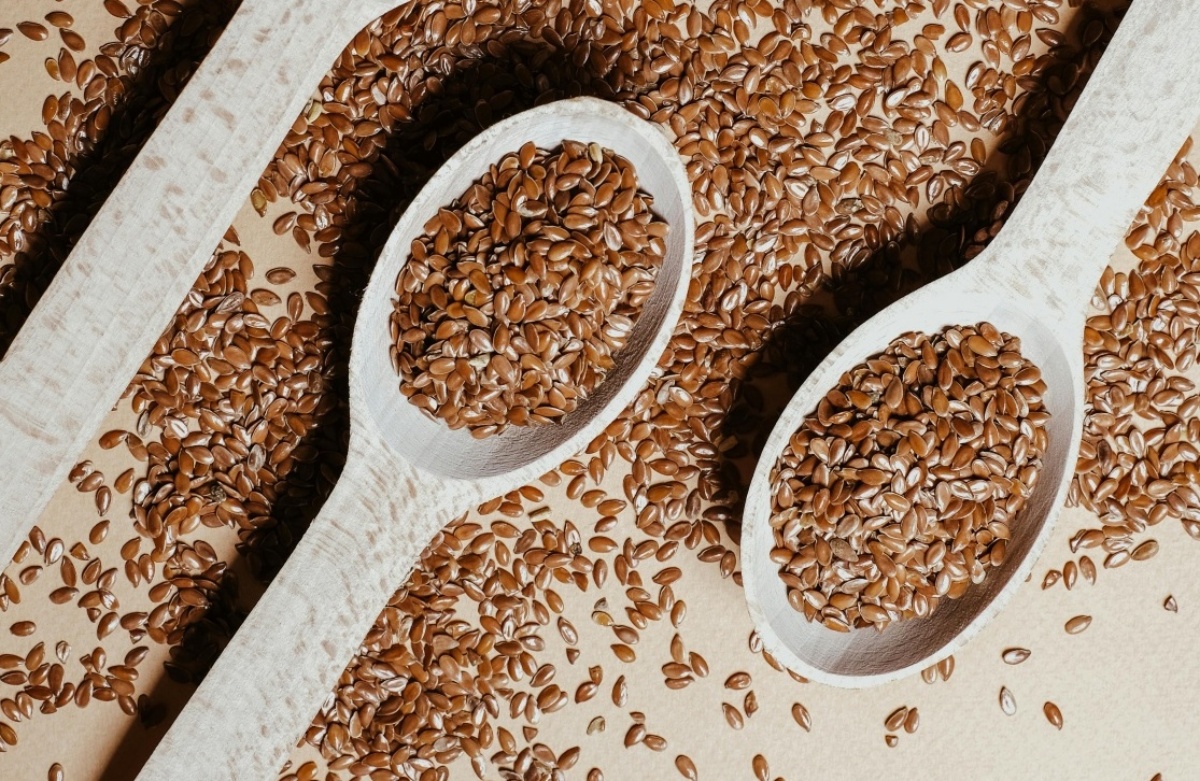
Nutrition plays an important role in managing allergies. Certain foods, such as dairy products, refined sugars, and alcohol, can increase inflammatory processes. Individuals prone to allergies should choose anti-inflammatory foods like omega-3 fatty acids from fish and flaxseeds, green vegetables, ginger, turmeric, and probiotics. Probiotics, particularly the Lactobacillus rhamnosus and Bifidobacterium lactis strains, help regulate the intestinal microbiota, which reduces the tendency toward allergies and alleviates the symptoms of allergic digestive issues.
Specifics of Allergies in Children
In children, early recognition of allergens is crucial because allergies can interfere with sleep, play, concentration, and growth. Allergies to milk, eggs, tree nuts, certain spices, laundry detergents, and dust mites are common in childhood. Children also frequently develop atopic dermatitis as a reaction to these triggers, which further complicates their development. Prevention includes educating parents about the choice of food and cosmetics, regular ventilation and cleaning of living spaces, and the use of hypoallergenic materials.
The Importance of Consultation and Proper Treatment
I advise individuals with medication allergies to avoid self-initiated treatment. It is important to consult a professional to distinguish between an allergy and a medication side effect. There are common misconceptions that lead patients to make incorrect decisions themselves, which can hinder therapeutic compliance. Any suspicious medication should be documented, and the decision to stop therapy must be made exclusively in consultation with a doctor or pharmacist. Drug allergies can range from mild to life-threatening. This is precisely why it is not always necessary to discontinue therapy when mild allergic reactions occur, as they may resolve spontaneously or be an incidental reaction to starting a new treatment.
In their early stages, autoimmune diseases can present with mild symptoms that raise suspicion of allergies, often resembling dermatitis or inflammatory bowel diseases. It is important to monitor symptoms and consult with specialists.
When traveling, do not forget to pack your basic medication, wear a medical alert bracelet or carry an allergy information card, and be careful with restaurant food. For individuals with severe food allergies, an epinephrine auto-injector must be a constant companion, as emergency medical services may not always be immediately available, and the "golden hour" can be crucial.
Skincare and Conclusion
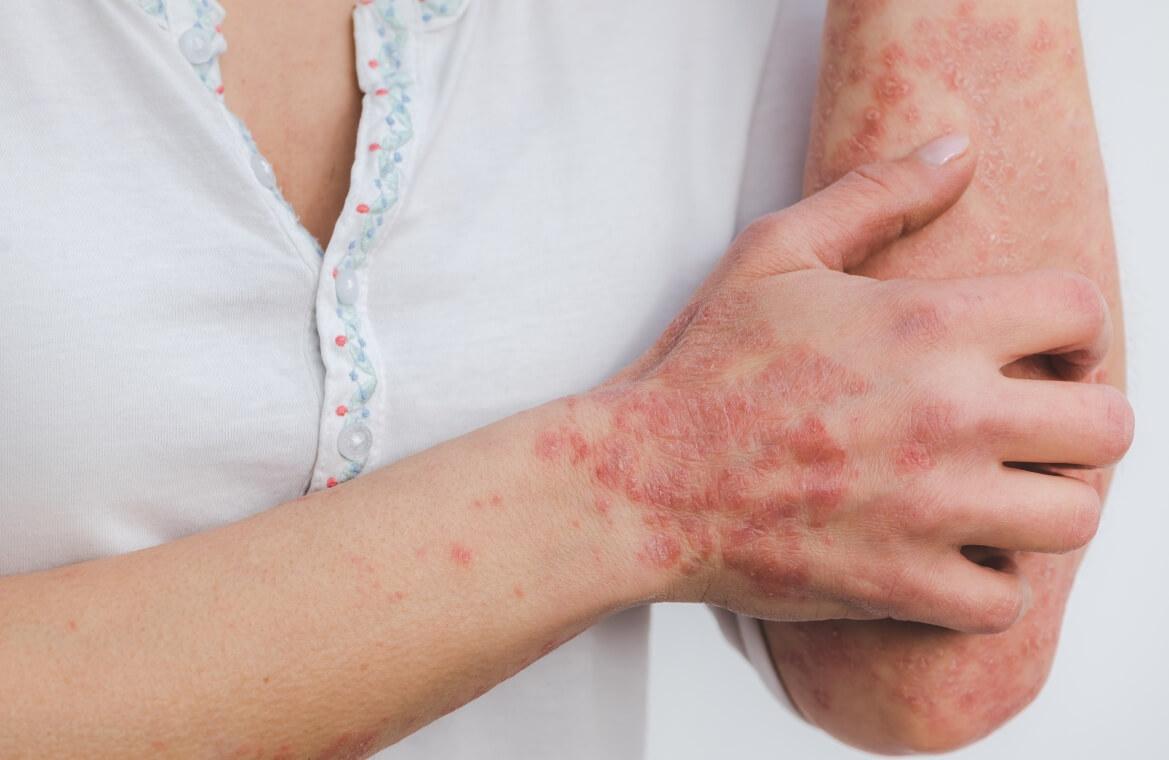
Do not forget the importance of skincare, as the skin is an organ that reacts to allergens and UV rays. For atopic dermatitis, urticaria (hives), or contact dermatitis, a minimalist skincare routine free of alcohol, perfumes, and parabens is recommended, incorporating natural oils such as almond, castor, coconut, hazelnut, and argan oil, as well as ceramides, panthenol, glycerin, and allantoin. Regular hydration keeps the skin soft and less reactive, and it can reduce the need for corticosteroids, which are necessary during the acute phases of treatment.
In conclusion, allergies are not the end of the world, but they do require knowledge and attention. With a timely diagnosis, education, individualized therapy, and support through nutrition and supplementation, we can enjoy a high quality of life. Utilize the advice of experienced pharmacists who can guide you and help dispel many myths and misconceptions about allergies and their treatment.

About the author
Vedran Sušac
MPharm
I grew up, live, and work in Split. After completing primary and secondary school, I enrolled at the Faculty of Pharmacy in Zagreb. After graduating and completing my internship, I have been continuously working in the profession for many years. At the age of ten, I started playing and training handball, which I continued for fifteen years, and during my secondary school years I also developed an interest in fitness nutrition and amateur-level training, closely studying processes and results.
My areas of professional expertise include clinical pharmacy, an individual therapeutic approach to self-medication, and patient monitoring throughout these processes. I also conduct preventive screenings for the early detection of chronic cardiovascular and pulmonary diseases, in excellent cooperation with specialist physicians. I chose an individual approach as my style of pharmacy practice because I believe it represents the future of the profession and the real needs of patients.
In my free time, I relax by spending time in nature, reading, and watching films precisely because of the importance of balance that we often talk about.