
Vitamins for Skin, Hair and Nails Your Body Really Needs

Healthy skin, shiny hair and strong nails are not just a matter of genetics or a good cream. Behind every "good look" lies quiet but essential support in the form of nutrients that nourish cells every day and protect them from damage. But do we actually know which vitamins for skin, hair and nails the body truly needs to maintain beauty from the inside, not just from the outside?
When a patient comes to the pharmacy asking for "something for hair loss" or "something for dry skin, with or without an added cosmetic effect", usually no one has explained to them that the problem may be the result of a deficiency in certain vitamins and minerals, or of biological inheritance. And that is where the story begins. Skin, hair and nails quickly show when something is off on the inside, and that is exactly why they are the best indicators of the body's nutritional status.
Which vitamins and minerals your skin, hair and nails need
Without enough vitamins A, C, E, B complex, zinc, iron and selenium, skin regeneration slows down, hair becomes brittle and nails break. Collagen, keratin and elastin, the three key proteins that build our outer layer, cannot be produced without the right "raw materials". Unfortunately, the modern diet often does not provide enough micronutrients, especially during stressful periods, while dieting or during hormonal changes such as menopause in women, or simply with ageing.
Biotin (also known as vitamin H) is often the first thing that comes to mind when we talk about hair and nails. And rightly so, because without it there is no proper keratin growth. But biotin on its own is not a magic formula. It works best when combined with zinc, selenium, vitamins B2 and B6 and niacin. The body always works as a team, and so do nutrients.
Is collagen for skin and hair just a trend?
Collagen is undoubtedly the most popular supplement today. But it is not only about aesthetics. After the age of 25, the body naturally reduces its production, which shows in skin firmness, the appearance of wrinkles and reduced elasticity. We add to this ourselves, especially in summer when we sunbathe too much and do not protect ourselves from the sun.
Collagen types I and III are most commonly used for skin and hair, while type II is linked to the joints. Hydrolysed collagen combined with vitamin C has shown the greatest effect because it stimulates the body's own synthesis. Results do not come overnight, but after 8 to 12 weeks of regular use, people notice a visible difference. [LINK 1]
Supplements as an ally of a healthy diet, not a replacement
A balanced diet is the foundation, but despite their efforts many people fail to cover all their needs, especially vegetarians, vegans, women with heavy periods, and people with chronic stress or autoimmune diseases of the thyroid and digestive system. This is where supplementation comes in as support, not as a replacement for therapy and food. It is important to choose products that contain active forms of vitamins and minerals, such as methylcobalamin instead of regular B12 or zinc picolinate instead of zinc oxide.
Dosage is key here. Too much vitamin A or selenium can be harmful. That is why I recommend blood tests at least once a year, especially if you take several supplements at once. [LINK 2]
What helps with dry skin, acne and dull hair?
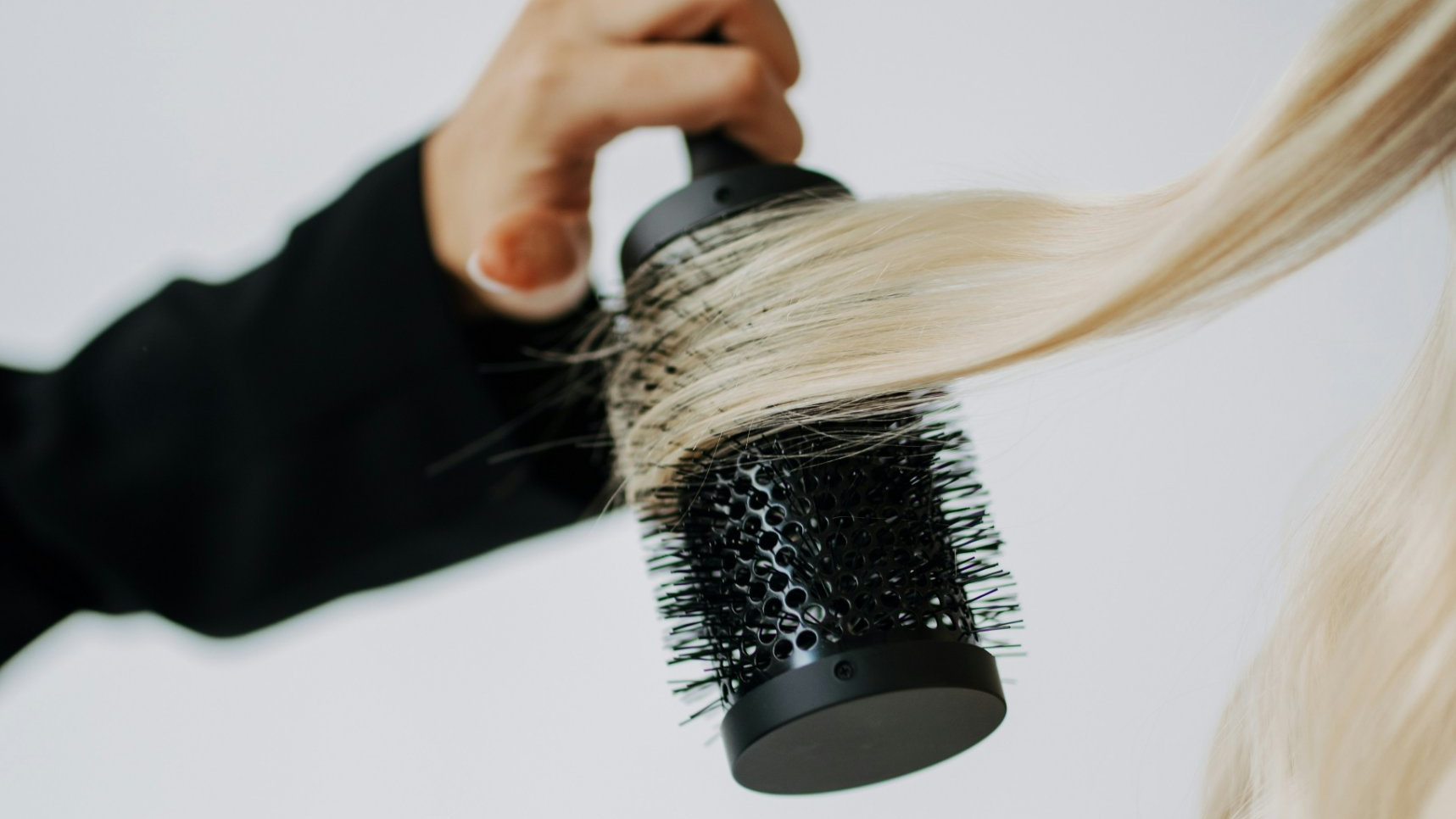
Dry skin is often the first sign of a deficiency in essential fatty acids and vitamin D. It can also be caused by harsher chemical and mechanical hair treatments or by genetics. Omega-3 fatty acids from fish oil, flaxseed or algae have an anti-inflammatory effect, improve hydration and protect the skin barrier. Vitamin D, especially in winter, should be supplemented because a deficiency can cause dandruff, weak hair and dry skin.
Acne and problem skin are often linked to hormonal imbalance, stress and diet. Zinc and vitamin B6 help regulate sebum, while probiotic strains such as Lactobacillus rhamnosus can reduce inflammation and support a healthy skin microbiome. For hormonal acne, adaptogens such as lady's mantle extract are also considered, but always under expert supervision.
How to help damaged hair and brittle nails
Colouring, bleaching and straightening damage the structure of the hair shaft. In these cases I recommend a combination of keratin, collagen, silicon and MSM, along with good hydration from the inside and out. Nails that crack and peel may indicate a deficiency in iron, vitamin B7 and vitamin D, but also zinc, which plays a key role in the growth and renewal of keratinised tissue. Sulphur-containing amino acids (cysteine, methionine and taurine) are also beneficial, so preparations that contain them are definitely a good choice. Minerals are often bound to these amino acids, so on the label we find them as taurates, chelates or glycinates.
Antioxidants and herbal preparations for healthy skin
Let's not forget the importance of antioxidants. Vitamins C and E, resveratrol and coenzyme Q10 protect skin cells from oxidative stress and external damage (UVA and UVB radiation and environmental pollutants). Topical skin products combined with oral supplements work synergistically, for example a vitamin C serum in the morning and supplements in the evening.
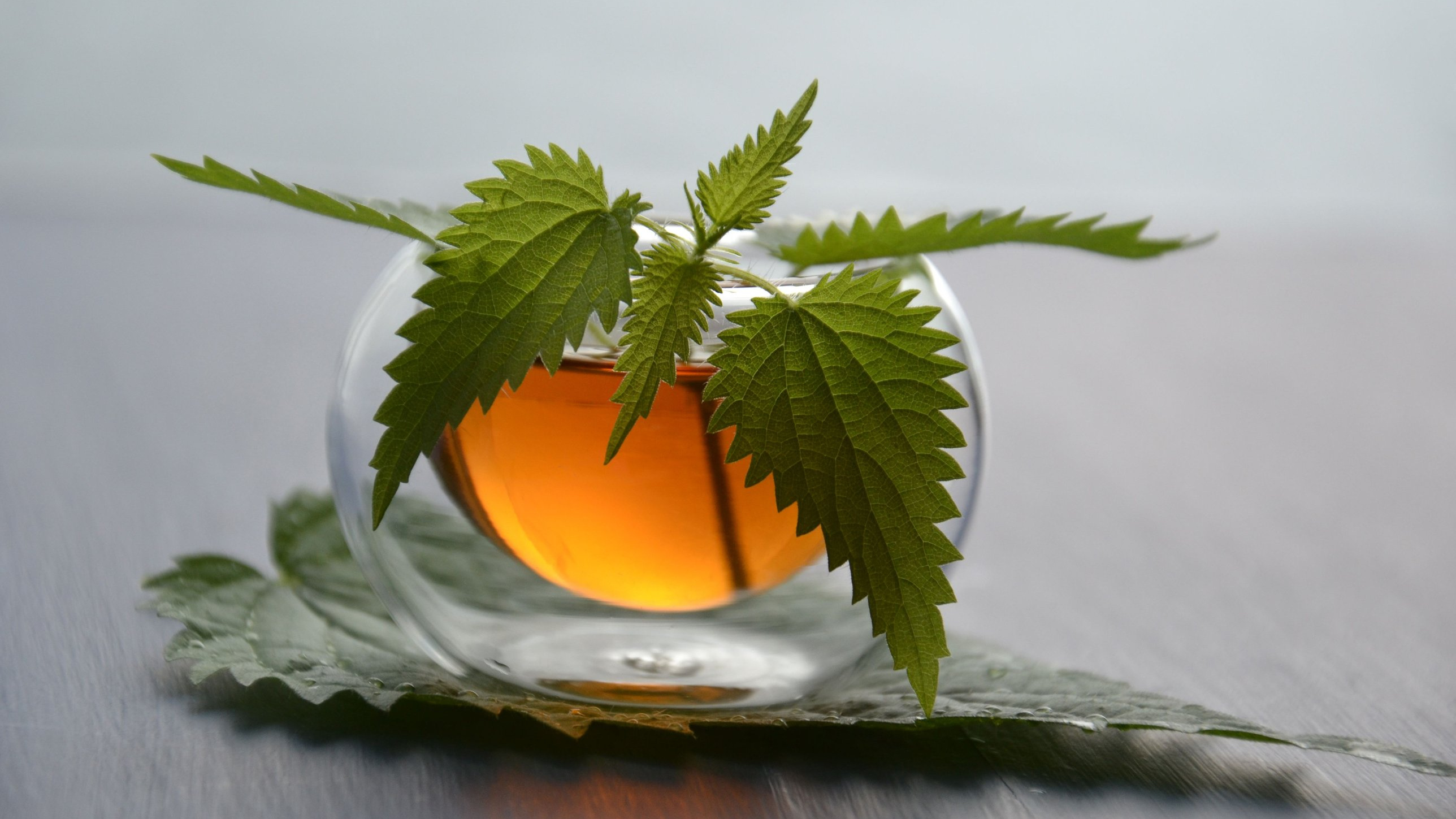
Finally, more and more people are choosing vegan and plant-based formulas. If they are properly formulated, they can be just as effective. But poorly chosen ones can even lead to malnutrition and illness. Horsetail, nettle and bamboo are plants rich in silicon and beneficial for hair and nails. Among natural teas, nettle and green tea can help with detoxification and have an anti-inflammatory effect. Still, all of this has its limits and should go hand in hand with a proper, balanced diet.
Consistency brings results
Beauty supplementation is not a sprint but a marathon. Weeks go by quickly, but skin and hair remember every good choice. Results come in the long term, but they are noticeable and lasting. Give your body what it needs, listen to its signals and choose products wisely [LINK 3], because what you put in on the inside will sooner or later show on the outside.

About the author
Vedran Sušac
MPharm
I grew up, live, and work in Split. After completing primary and secondary school, I enrolled at the Faculty of Pharmacy in Zagreb. After graduating and completing my internship, I have been continuously working in the profession for many years. At the age of ten, I started playing and training handball, which I continued for fifteen years, and during my secondary school years I also developed an interest in fitness nutrition and amateur-level training, closely studying processes and results.
My areas of professional expertise include clinical pharmacy, an individual therapeutic approach to self-medication, and patient monitoring throughout these processes. I also conduct preventive screenings for the early detection of chronic cardiovascular and pulmonary diseases, in excellent cooperation with specialist physicians. I chose an individual approach as my style of pharmacy practice because I believe it represents the future of the profession and the real needs of patients.
In my free time, I relax by spending time in nature, reading, and watching films precisely because of the importance of balance that we often talk about.